
Drawing My Diary Webcomic ("First Thought, First Draft")
At a Glance
My main webcomic, Then This Happened…, isn’t a heavily scripted, multi-draft production. It’s a just a visual diary built on a simple concept: first thought, first draft. Here is a behind-the-scenes look at how I make a spontaneous drawing based on something that happened that day keeps the strip going on my Homemade Cartoons Website.
The “First Thought, First Draft” Philosophy
When people ask how I write and draw my webcomic, the biggest surprise is usually how little I overthink it. Then This Happened… is a personal journal of moments, conversations, and odd thoughts I have from my everyday life.
In traditional cartooning, creators often spend hours scripting, redrawing thumbnails, and doing multiple passes of sketches. For my diary comic, I set out to draw about my life so I didn’t want to spend all day making it. By sticking to a first thought, first draft concept, the comic even looks like a quick diary of the moment.
Step-by-Step Creation
1. Real-Time Observation
When I’m making dinner, I think about something that happened during the day. a weird interaction, an internal thought that I had, or a funny situation I experienced, thinking about how I’m going to explain it in four-panels.
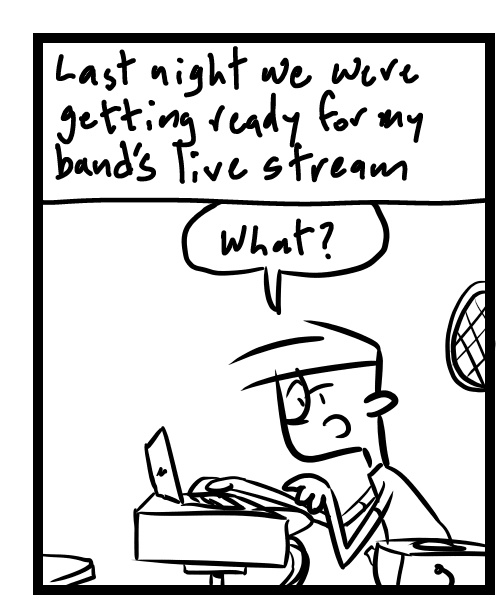
2. Skipping the Script
There is no separate writing phase. After dinner, I sit down with my drawing tablet and write out the dialogue in the four panels.
3. Direct Execution
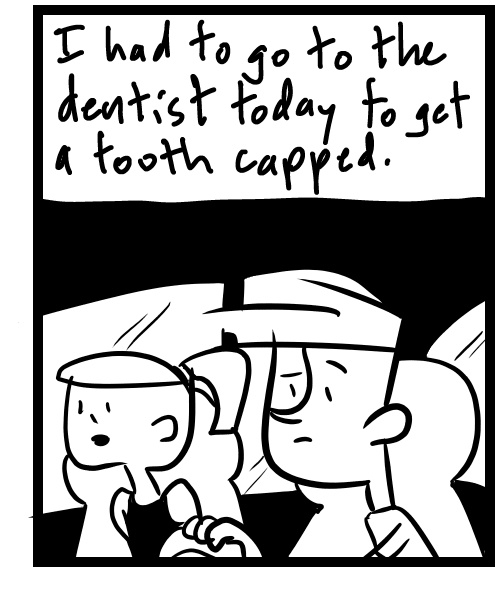
- Immediate Inking: Rather than spending time perfecting pencils, I go straight into drawing the figures, with the ink brush on MediBang Paint to go along with the text I wrote.
- Imperfection is Okay: I do use the undo button when I’m inking the comic but I don’t worry about it too much. The imperfections are part of what makes it a diary comic to me and even seems kind of personal.
4. Publishing To My Comics Site
Once the page is finished, the file is exported and uploaded directly to Homemade Cartoons and shared with my email list.
Why the Diary Format Works for Me
- Another Way to Blog: Readers connect with daily experiences I have. They even seem to get right away that these aren’t characters, I don’t think I’ve ever had to explain it to someone when they read it.
- Consistent Stories: Eliminating the need to have to come up with stories allows for a steady stream of updates without hitting a creative wall.
- Search & Discoverability: Documenting real-life scenarios creates natural, long-tail content and even brings in readers searching for relatable everyday comics.