
How-To: Transitioning from KDP to Direct Self-Publishing for Indie Comics
At a Glance
I had lost access to my Amazon Kindle Direct Publishing (KDP) account and the books I published there, but it forced a crucial strategic shift: owning my platform. Instead of relying on third-party marketplace algorithms, I rebuilt my webcomic digital storefront directly on my own site. Here is the process I used to assemble, format, and launch Then This Happened… Book 2 on my own terms.
1. Rebuilding My Local Archive
When Amazon terminated my account it also deleted my catalog. Luckily I had a structured archive of my webcomic strips saved.
- Organizing Raw Pages: I keep a backup image album in Google Photos organized by month and year (e.g., May 2020, April 2020, etc…).
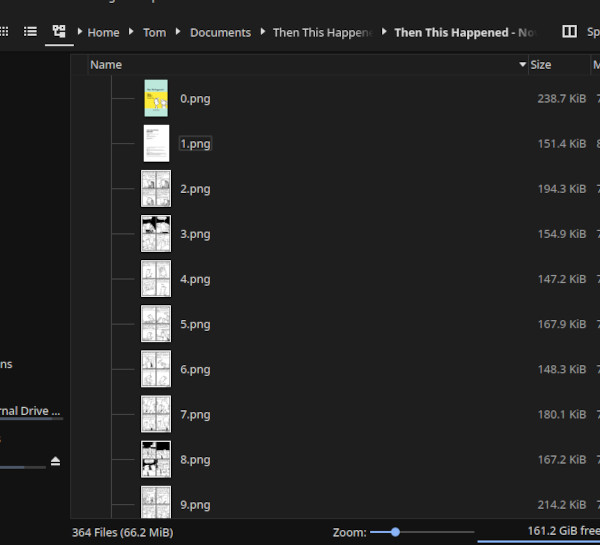
- Batch Extraction: I can download the month folders as zip files as extract the pages into a new folder for the ebook collection I am going to make.
2. eBook Assembly & Formatting
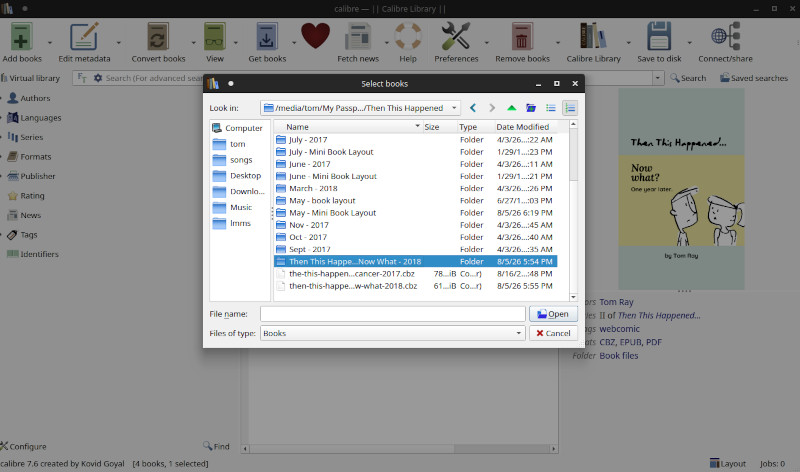
I used to assemble my Books in a document tool like Google Docs or Libre Docs or Word. But I actually just discovered the open source ebook software Calibre and it has made assembling a digital PDF or eBook file super simple.
- Page Preparation: I named the pages in numerical order to sort the year’s daily 4-panel diary strips.
- Add to Calibre: I add new book by folder to Calibre, and add author and book info.
- Optimized Export: Compile the pages into a lightweight, high-resolution PDF or EPUB or CBZ file so readers can view uncompressed panels seamlessly on tablets, iPads, or e-readers.
3. Building a Direct Product Launch Campaign
Instead of just posting a PDF link to my social feeds saying my new webcomic is available, I released my latest ebook like a product launch event to build momentum:
- Document the process: I shared behind-the-scenes videos on my website and vlog to involve my audience and bring in new people to the creation process.
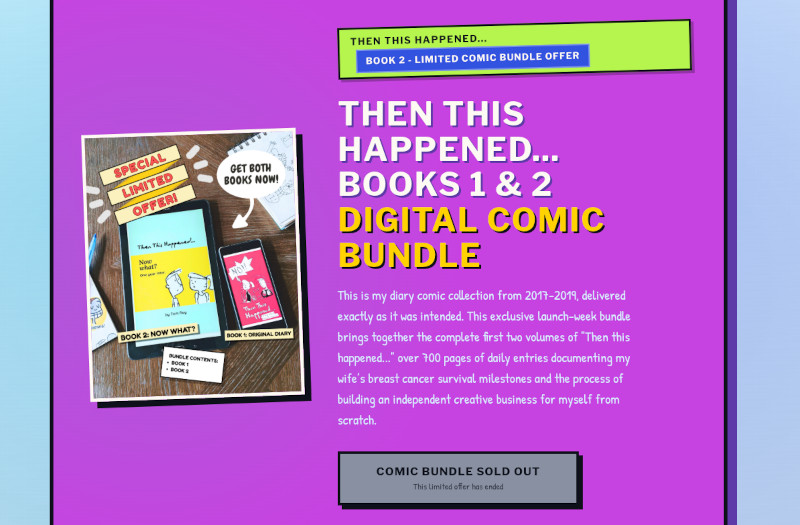
- Launch Week Special: I offered a limited bundle package for book 2. The launch bundle was a collection of of the first book along with book 2.
- Direct Delivery: I used my existing webcomic email list to notify readers the exact second the new storefront opens.
4. Key Takeaways from Going Independent
- True Platform Ownership: I own my customer relationship, the checkout environment, and the content options.
- Creative Freedom: I’m not subject to sudden account terminations or random platform restrictions.
- Direct Support: I feel like people appreciate supporting creators directly on their own web properties.
What’s Your Publishing Workflow?
Have you considered building your own direct-to-fan storefront, or are you currently using third-party platforms?